
Understanding Campervan Conversion Basics
Embarking on a campervan conversion journey can be both exhilarating and daunting. With the rise in popularity of van life, understanding the essential components of van electrics, insulation, and the overall conversion process is crucial for aspiring van lifers. Whether you're a seasoned traveler or a novice camper, grasping the basics can transform your experience. This guide will delve into the intricacies of campervan electrics, including batteries, solar systems, and wiring, while also providing valuable tips on insulation and the conversion process itself. When choosing your components, resources like rokok88 alternatif can provide comprehensive insights into the best options available.
What You Need to Know About Van Electrics
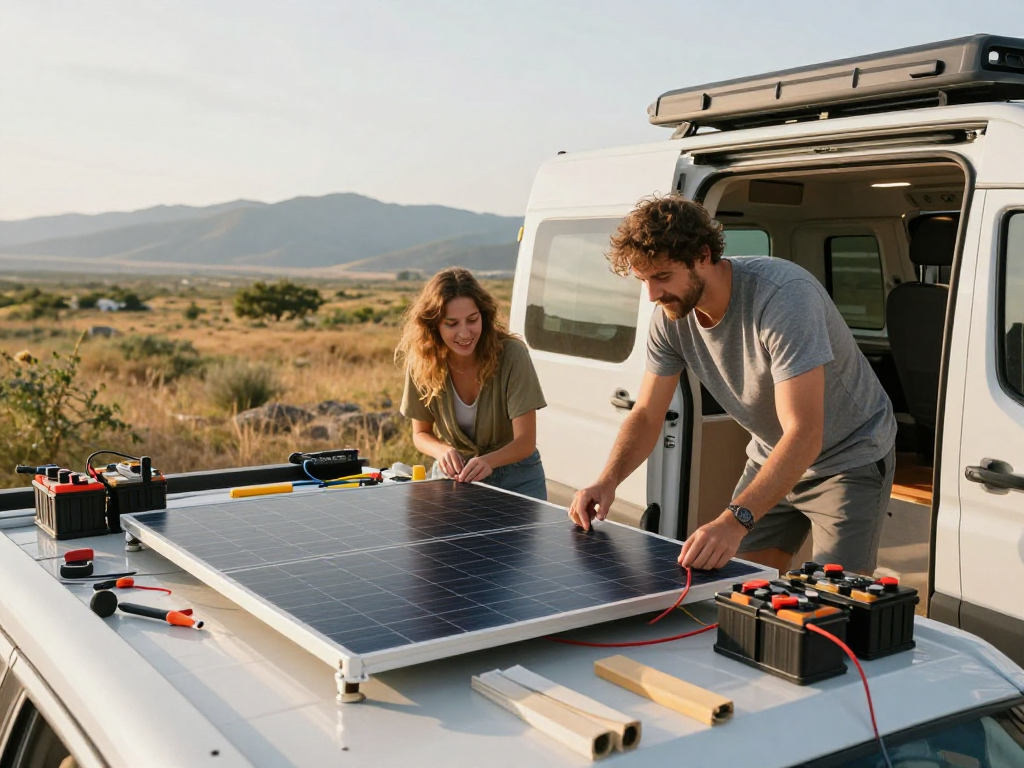
Understanding the electric system in your campervan is fundamental to ensuring comfort and functionality. The electrics will power everything from your lights and refrigerator to your charging devices. There are three main components to consider: your battery, solar system, and wiring. Each plays a vital role in creating an efficient electrical system that meets your needs.
Choosing the Right Battery Size for Your Needs
When it comes to battery selection, it's essential to understand that not all batteries are created equal. Depending on your power consumption needs, you may choose between lead-acid or lithium batteries. Lithium batteries, while more expensive, offer longer lifespans and faster charging times. It's important to calculate your energy needs based on the devices you'll use and plan for a battery size that can support them. A common guideline is to aim for around 100 Ah (amp hours) for basic setups, but this will vary based on individual requirements.
Importance of Proper Wiring Techniques
Proper wiring techniques are imperative for safety and efficiency. Utilizing the appropriate wire gauge, ensuring secure connections, and using fuses can prevent potential hazards and maintain a reliable electric system. A well-planned wiring diagram can streamline your installation process and help avoid costly mistakes. Don’t skip safety measures, as they can make or break your entire system.
Exploring Solar Power Solutions for Vans
Solar power can significantly enhance your van life experience by providing a renewable energy source. With the right solar setup, you can power your devices without relying on external power sources, making your travels more sustainable and flexible.
Benefits of Solar Energy for Van Life
Adopting solar energy in your campervan brings numerous benefits. Firstly, it promotes sustainable living, reducing your carbon footprint. Secondly, solar power allows for greater autonomy during road trips, minimizing the need to stay at RV parks or find electrical hookups. Lastly, solar setups can lead to long-term savings on energy costs.
How to Calculate Your Solar Requirements
Determining your solar requirements involves a few key calculations. Start by estimating your daily power consumption in watt-hours. Add up the wattage of all your devices and appliances, and consider how many hours you will use them daily. Once you have this figure, calculate the size of the solar panels you’ll need based on the average sunlight hours in your travel regions. This approach will help you create a reliable solar system.
Top Solar Panel Brands to Consider in 2026
The solar panel market is ever-evolving, with new technologies emerging frequently. As of 2026, brands like Renogy, Zamp, and Goal Zero are leading the charge with high-efficiency panels and robust support systems designed for campervans. When selecting a brand, consider factors such as warranty, customer service, and product reviews to ensure you make an informed choice.
Insulation Techniques for a Comfortable Campervan
Insulation is a crucial aspect of camper van conversion that directly affects your comfort level when living on the road. A well-insulated van improves temperature regulation and soundproofing, making your travels more enjoyable.
Why Insulation is Essential for Van Camping
Insulation is essential for maintaining a comfortable temperature inside your van, especially in extreme weather. In winter, it helps retain heat, while in summer, it keeps the interior cool. Moreover, it provides sound protection, ensuring a peaceful environment regardless of outside conditions. Without proper insulation, you may find it challenging to manage temperature fluctuations, leading to discomfort and potential additional heating or cooling costs.
Best Insulation Materials for Campervans
Several insulation materials are popular among van lifers, including foam board, spray foam, and reflective insulation. Each type has its benefits: foam board is lightweight and easy to install, spray foam provides air sealing, and reflective insulation helps combat heat in warmer climates. Choose a combination that aligns with your van's layout and climate conditions.
Step-by-Step Guide to Insulating Your Van
Insulating your van can be a straightforward process with the right approach. Start by removing the interior panels, then measure and cut your insulation materials to fit snugly within the van's walls, ceiling, and floor. Secure them with adhesive or framing materials, and consider adding a vapor barrier to prevent moisture buildup. Finally, replace the panels and seal any openings for a finished look.
Step-by-Step Campervan Conversion Guide
Converting your van into a livable space requires careful planning and execution. From choosing the right van to final touches, each step is significant in creating your dream van.
Choosing the Best Van for Your Project
The first step in the conversion process is selecting the right van. Popular choices include the Mercedes Sprinter, Ford Transit, and Ram Promaster, each offering various configurations. Consider factors like size, fuel efficiency, and ease of driving when making your decision. It's essential to choose a van that suits your lifestyle and travel plans.
Essential Tools for a Successful Conversion
Having the right tools can make your conversion project smoother and more efficient. Equip yourself with basic hand tools such as a drill, saw, wrenches, and screwdrivers, along with specialized tools for specific tasks like wiring and plumbing. Additionally, a good workbench and proper safety equipment will facilitate a safer and more productive workspace.
Common Challenges in Van Conversion and How to Overcome Them
Like any DIY project, van conversion comes with its challenges. Common issues include space constraints, managing electrical systems, and ensuring proper insulation. Troubleshooting these problems involves thorough planning, research, and sometimes seeking advice from experienced van lifers. Participating in forums or communities can also provide support and inspiration during your journey.
Future Trends in Van Life and Conversion
The van life community is continuously evolving, with new trends and technologies paving the way for more comfortable and efficient living on the road. As we look towards the future, it's essential to stay informed about these emerging developments.
Emerging Technologies for Energy Efficiency
Technological advancements in energy efficiency are crucial for the future of van life. Innovations such as integrated solar roofs, battery management systems, and energy-efficient appliances are making it easier to live off-grid. Keeping an eye on these technologies will help you enhance your van setup and make more sustainable choices.
Innovative Designs and Customization Options
Customization is key to the van conversion process. In 2026, we see a growing trend towards unique layouts that maximize space and functionality. It's not just about aesthetics; innovative designs focus on smart storage solutions, multi-functional furniture, and modular systems that adapt to various needs. Embrace creativity in your design to create a space that reflects your personality.
Predictions for the Van Life Community in 2026
As the van life movement gains more traction, we anticipate a diversification in the community. More people from various backgrounds are embracing this lifestyle, leading to richer exchanges of ideas and experiences. Additionally, urban van life may become more popular, with more cities allowing overnight parking and dedicated resources for van lifers.
What are the latest van life tips and tricks?
Staying up-to-date with the latest van life tips can greatly improve your experience. Consider attending van life meet-ups, where you can learn from others and share insights. Embrace minimalism; the less you carry, the more enjoyable your travels can be. Additionally, invest in a quality portable power station for convenience and flexibility on the road.
How to choose the right solar panel for your camper?
Selecting the right solar panel involves assessing your power requirements and understanding the different types of panels available. Monocrystalline panels are efficient but more costly, while polycrystalline panels are less expensive but take up more space. Consider your budget, available space, and energy needs to find the best fit for your van.
What should you consider when insulating your campervan?
When insulating your campervan, consider the climate you will be traveling in and the materials that will provide the best performance. Assess your budget and the effectiveness of your chosen insulation in both winter and summer conditions. Additionally, think about the ease of installation and whether you may want to remove or alter the insulation in the future.
What battery size is best for solar setups in vans?
The optimal battery size for solar setups varies based on your energy consumption. A general rule is to choose a battery size that stores at least double your daily energy needs, allowing for cloudy days and unexpected usage spikes. For most van lifers, a battery system between 200-400 Ah is ideal for a well-rounded solar setup.
What tools do I need for campervan wiring?
For campervan wiring, essential tools include wire strippers, crimping tools, and multimeters to test connections. A good quality soldering iron can also be beneficial for creating secure connections. Ensure you have the correct wire gauge and fuses to match your system's requirements, and always prioritize safety while working with electrics.